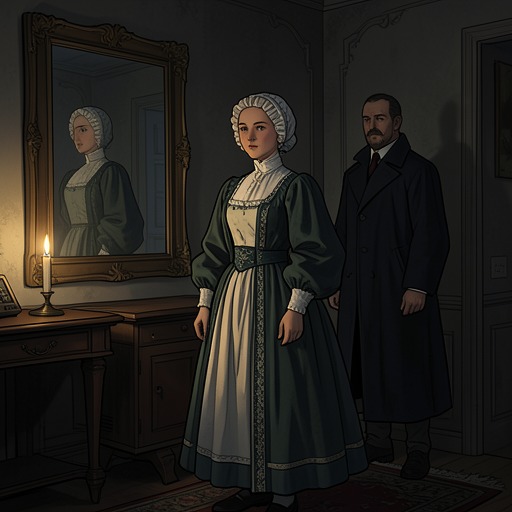
Anne Arbizu
Ofrenda a la tormentaAnne Arbizu is Flora Salazar’s biological daughter and an adopted child whose hidden connection to Flora shaped both women’s lives. Given up at birth, Anne later sought out her birth mother and quietly built a relationship with her; after Anne’s murder, the circumstances of her selection helped Flora recognize a pattern in Victor Oyarzabal’s crimes.
Identity and hidden beginnings
At eighteen, Flora became pregnant with Anne. Rather than spend the summer with their aunts in San Sebastián, as the family story had it, she went to a charitable home in Pamplona run by religious women. She had saved money and arrived there when she was six months pregnant, before her pregnancy became difficult to conceal. Flora remained at the home until Anne was born, then gave her up for adoption that same day, trusting the promise that the baby would be placed with a good family.
Flora returned home a few days later and resumed her relationship with Victor Oyarzabal. The subject of the pregnancy was not discussed again, though Rosario Salazar never forgave Flora and made her pay for it. When Flora later heard that the Arbizus had adopted a girl, she looked into their pram and recognized Anne. From then on, she watched her daughter grow up in another household, unable to acknowledge what she felt.
The relationship with Flora
Anne eventually discovered who her biological mother was. The previous year, she came to see Flora late one afternoon at the bakery, having investigated until she found her. She did not reproach Flora for the adoption. Instead, she wanted to remain in contact while protecting the feelings of her elderly adoptive parents, and proposed that they tell everyone after those parents had died.
Anne also gave Flora a photograph of herself as a baby. It became a prominent image on the wall, so closely associated with Flora’s private longing that Amaia Salazar initially mistook it for a photograph of Ibai. The picture held both the evidence of Anne’s return and the years Flora had spent keeping her connection to her daughter hidden.
Death and significance
Anne had kept secrets and relationships from her adoptive parents, and her life included a concealed bond with Flora. Her murder was the point at which Flora says she understood how Victor was choosing his victims. Amaia offers a different interpretation: the girls were at a vulnerable transition between childhood and adolescence, and their encounters with danger may have been accidental. Anne, she suggests, was alone in the wrong place at the wrong time because of the double life she kept from her parents. Flora rejects that account with an expression of bitterness, leaving her understanding of the selection pattern in tension with Amaia’s explanation.
Anne’s importance in the investigation therefore rests not only on her death but on what it reveals to Flora. The daughter Flora had watched from a distance becomes the clue through which she recognizes a pattern in Victor’s crimes.